
How to protect your RV from salt air at a Myrtle Beach campground
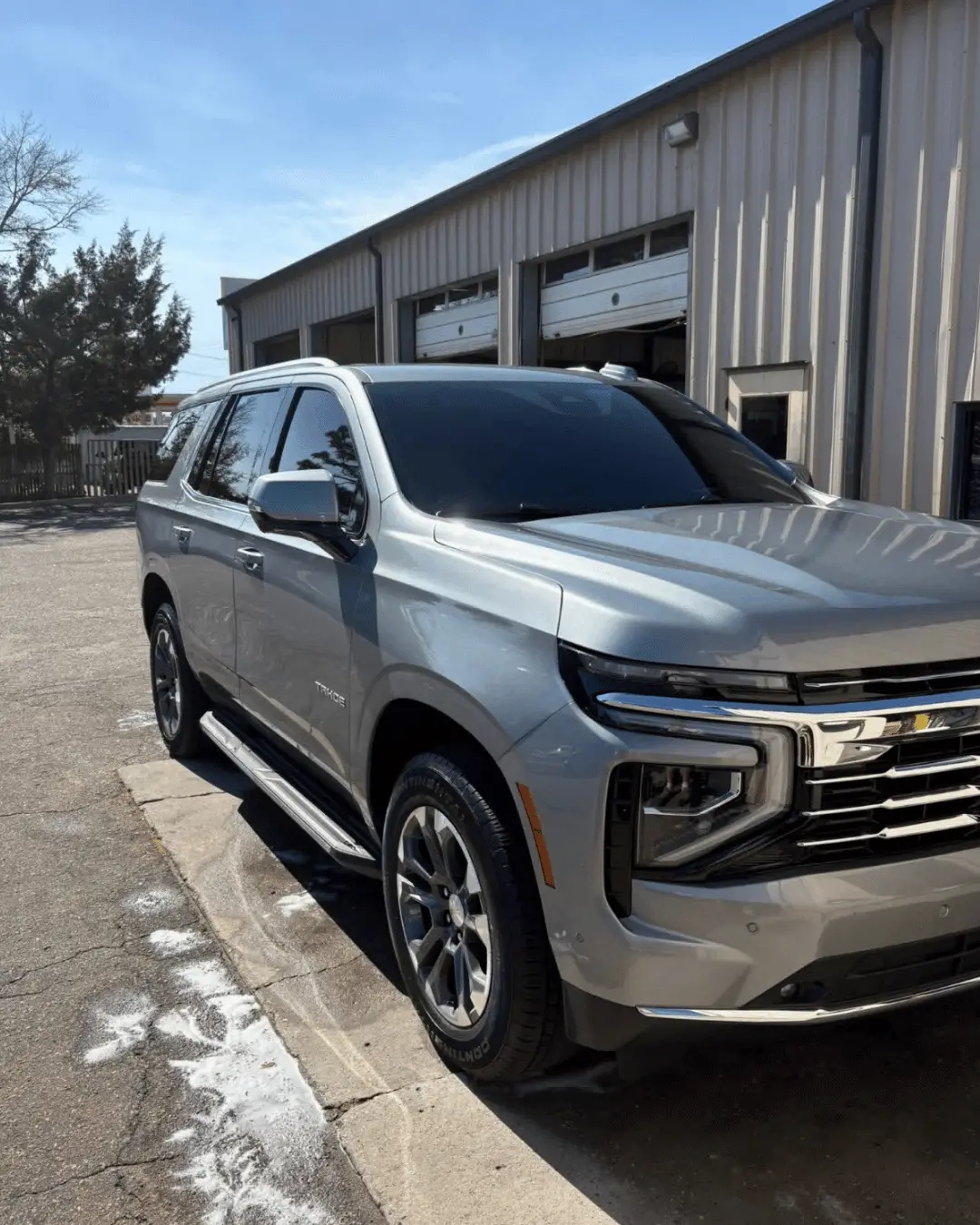
Rinse the salt off on a schedule, put a coating on the body, and clean it well before it goes into storage. An RV parked near the ocean collects salt every day of its stay, and the damage builds slowly enough that most owners don’t notice until the finish turns chalky.
Why are Grand Strand campgrounds so hard on RVs?
Because so many sites are right on the water. Ocean Lakes Family Campground has 859 RV sites beside Surfside Beach, Myrtle Beach Travel Park has about 1,100 on Kings Road, and Apache Family Campground has 937 (source). Lakewood Camping Resort sits on more than half a mile of beachfront.
Salt spray settles heaviest within a few hundred to a few thousand feet of the shoreline, and it speeds up corrosion for miles inland (source). A seasonal site a block from the surf sits in the worst of it for months.
Add the rest of the coast’s weather:
- Sun. Large fiberglass and gel-coat panels fade and chalk under coastal UV.
- Pollen. Pine pollen coats everything in March and April and turns to a sticky film in the dew.
- Black streaks. Runoff from the roof carries grime down the sides and stains the caps and walls.
What should you do during your stay?
Small habits make a big difference:
- Rinse when the campground allows it. Many parks limit washing at the site, so ask the office first. A fresh-water rinse every week or two keeps salt from building up.
- Use gentle soap and soft tools. Stiff brushes and harsh cleaners scratch gel coat and lift decals.
- Dry the windows and caps. Big flat panels show every water spot once the afternoon sun hits them.
- Keep an eye on the awning. Roll it up dry when you can. Salt and pollen trapped in a wet awning stain it.
- Park the golf cart clean. If you brought one, sand and salt on the cart end up inside the RV too. A golf cart detail fits in the same visit as the RV.
Is RV ceramic coating worth the cost?
For an RV that spends weeks or seasons on the coast, a coating is the single biggest step you can take. Salt, pollen, and streaks sit on the coating instead of the gel coat, so a rinse takes them off.
Here’s how pricing works with us:
| Service | Price | Time |
|---|---|---|
| RV and camper detailing (exterior wash) | $15 per foot | 2 to 5 hours |
| RV ceramic coating | From $30/ft | 4 hours to 2 days |
Multiply the per-foot rate by your RV’s length. Coatings come in 6-month, 2-year, and 5-year tiers, and the longer ones take a deposit to book. Touch-ups are covered for the full term on a maintenance plan and for 6 months without one. Every rate is on our pricing page.
What can you do yourself, and when should you call a pro?
Do it yourself:
- Fresh-water rinses during your stay
- Gentle hand washes with RV-safe soap
- Drying glass and wiping the caps
Call a pro when:
- The finish is chalky. Oxidized gel coat needs more than soap.
- Black streaks won’t wash off. They often need a dedicated cleaner and some patience.
- You want a coating. The prep, cleaning and decontaminating every panel, is most of the job, and on a 35-foot coach it’s a long day.
We come to you within an hour of Myrtle Beach. If your campground doesn’t allow outside washing, we can meet you at your storage lot or home.
How should you store your RV after the season?
Clean it first. Salt and pollen left on the body keep working the whole time it sits.
- Wash and dry the exterior, or book a wash on your way out.
- Clean out food and moisture so the inside doesn’t turn musty in the humidity.
- Use a breathable cover if the RV stays outside.
- Plan a rinse when you pick it up in spring, before pollen season gets going.
The short answer
Salt is the price of a site with an ocean view. Rinse it off during your stay, coat the body if the RV spends real time on the coast, and clean it before storage. Book an RV wash or coating any hour, or call or text 843-894-3313.